
From the Founder
Under Rs.5,000
Beginnings of an heirloom collection — under ₹5,000. These are our lighter weaves: tissue-cottons, smaller kadhwa motifs, organza overlays with restrained zari. They are not lesser pieces. They are the pieces a Banarasi weaver makes between his bridal commissions — quick, joyful, off-form work that lets him try a new colour or a new butti without the weight of a six-month deadline.
This is also the room we recommend to first-time buyers and to young women buying for themselves. Start here. Live in one for a year. Then come back to us when you are ready for the heavier loom-work — you will know exactly what your drape feels like, and we will know exactly what colour you wear.
None of these are samples or seconds. Every piece carries the same authenticity card as our bridal Katans.






By Danyah Banaras
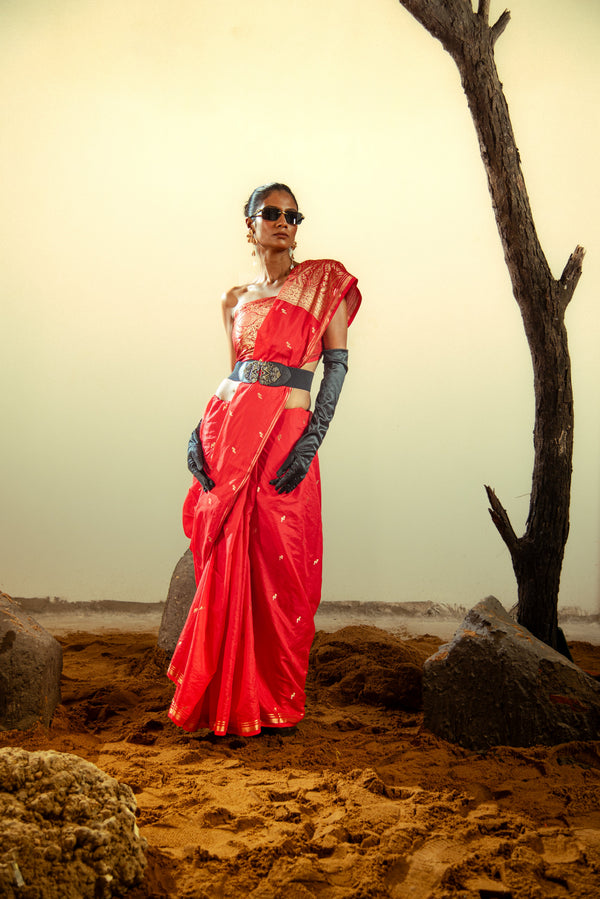
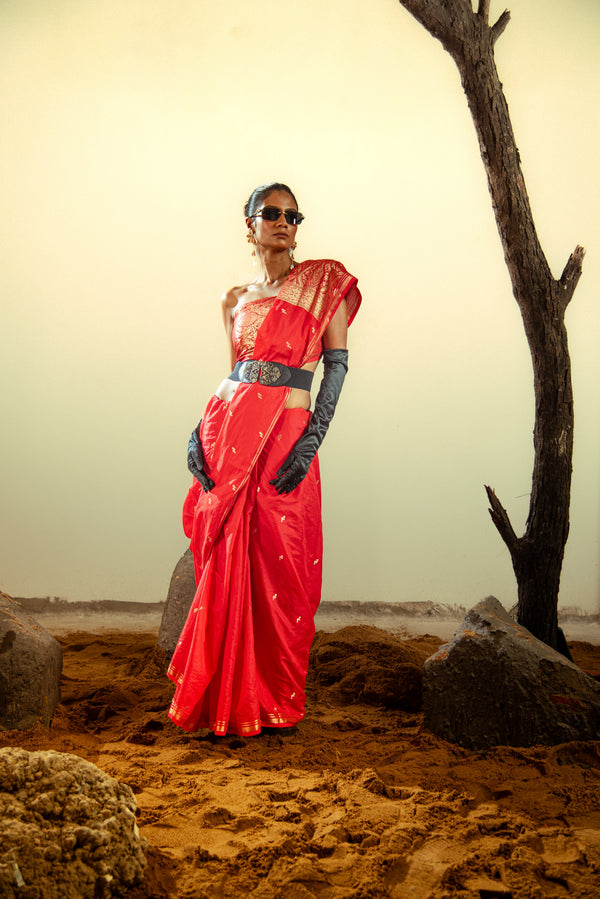
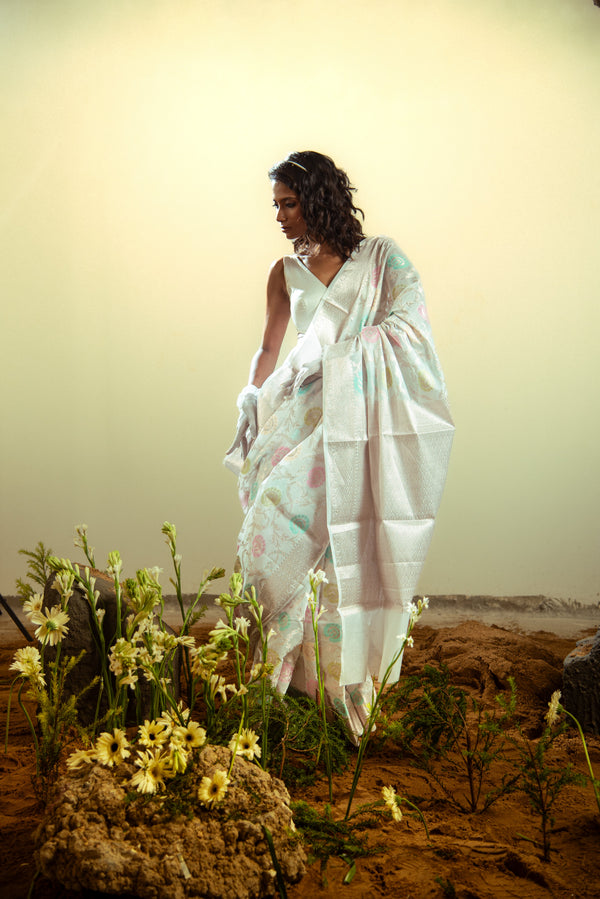
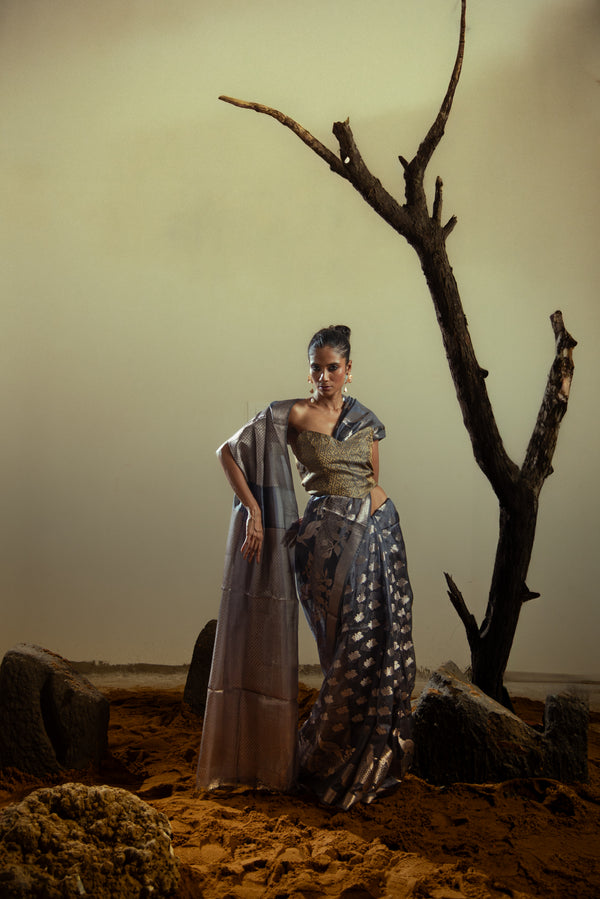
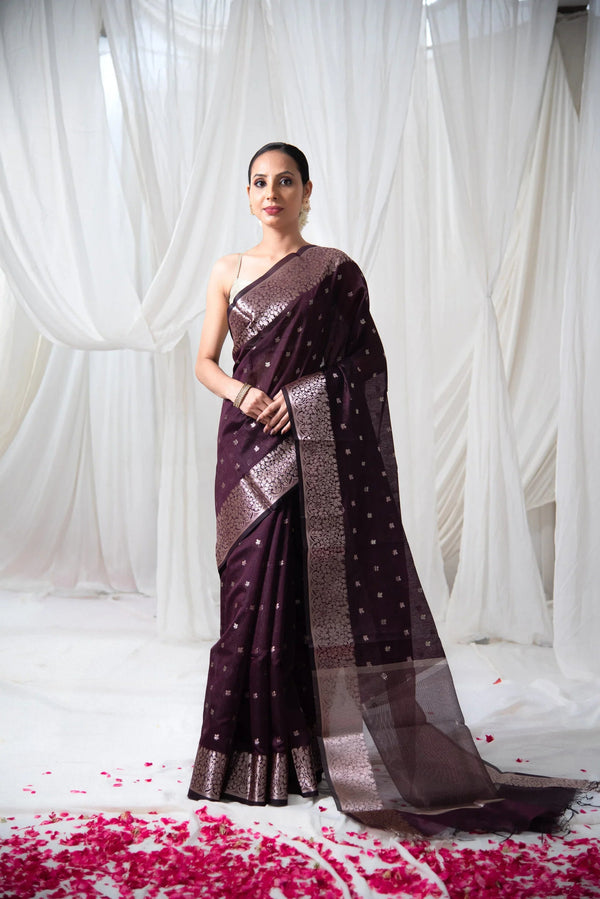
Danyah Banaras Cotton Salab With Dual Tone And Tassels Pre Draped Saree
Rs. 4,499.00


Know What You're Wearing
A short course in this cloth
Three things every Danyah buyer should know before they fold this saree into a trousseau.
The Weave
Why are these under ₹5,000?
These are our lighter weaves — tissue-cottons, smaller kadhwa motifs, organza overlays with restrained zari. They are not lesser pieces, and they are not seconds. They are the pieces a Banarasi weaver makes between his bridal commissions: quick, joyful, off-form work that lets him try a new colour or a new butti without the weight of a six-month deadline.
The loom time on these averages forty to ninety hours rather than the four hundred to twelve hundred of a heavy kadhwa Katan. The silver and gold content is genuine but used sparingly. Every piece carries the same authenticity card as our bridal sarees, and every piece is one of one — we do not restock.
Authenticate
How to identify an authentic piece
- The reverse test. Turn the saree over. On a true Banarasi the back of the brocade shows clean, individually tied weft threads at the edge of each motif. A power-loom print shows a smooth, machine-finished underside or long floating threads.
- The burn test (on a 2cm tassel only). Real silk burns to a fine ash, smells like burnt hair, and self-extinguishes. Art silk melts into a hard plastic bead and smells acrid.
- The zari test. Scrape a small section of zari with a fingernail. Real metallic zari reveals a silver core under the gilt. Plastic zari peels back to a coloured polyester thread.
- The passport. Every Danyah saree ships with an authenticity card listing the weaver's name, loom number, silk and zari composition, and a blockchain-logged serial.
Care
Care & longevity
- Dry clean only, sparingly. A Banarasi does not need cleaning after every wear. Air it inside-out in shade for a full day after wearing; clean only after every three to four uses.
- Fold along the loom line. Refold the saree every two months along a different crease to prevent the zari from cracking along a permanent fold. Store flat where possible.
- Wrap in undyed muslin. Never store directly in plastic or in a sealed bag — silk needs to breathe. A clean cotton mulmul wrap protects against moisture and oxidation of the zari.
- Tuck in a clove or two. Whole cloves and dried neem leaves keep silverfish and moths away without staining the cloth. Refresh every six months.
- If a thread pulls, do not cut it. Send it to us — we maintain a free lifetime mending service at our Mumbai atelier for any saree purchased from Danyah Banaras.
Handwoven Banarasi sarees, sourced direct from Varanasi
Our Banarasi sarees are woven on traditional pit-looms in the bylanes of Madanpura, Varanasi — by master weavers whose families have been weaving for four to six generations. Each piece is hand-checked at our Mumbai atelier, finished, and paired with an authenticity certificate that lists the weaver's name, the loom number, and the exact silk and zari composition.
Whether you are shopping for a bridal Banarasi, a festive Katan silk, or a ready-to-wear pre-draped piece, every saree on Danyah Banaras carries the same promise: real silk, real zari, real craft.